Introduction
The field of cybersecurity is one of the fastest-growing and most crucial sectors in the technology industry today. With cyber threats becoming increasingly sophisticated, the demand for skilled cybersecurity professionals has never been higher. Whether you are a student, a career changer, or a tech enthusiast looking to specialize in cybersecurity, this roadmap will guide you through the steps needed to enter and succeed in this dynamic field.
Step 1: Understand the Basics
Before diving into specialized areas, it's essential to have a solid understanding of the fundamentals of cybersecurity.
1. Learn Basic Computer Networking: Understanding how networks operate is foundational. Resources like "CompTIA Network+" or online courses on platforms like Coursera and Udemy can be beneficial.
- Key Topics: TCP/IP, DNS, HTTP/HTTPS, Firewalls, and VPNs.

2. Get Familiar with Operating Systems: Proficiency in both Windows and Linux is critical as they are the primary operating systems you will encounter.
- Recommended Learning: Hands-on practice with both OS, understanding command line interfaces.

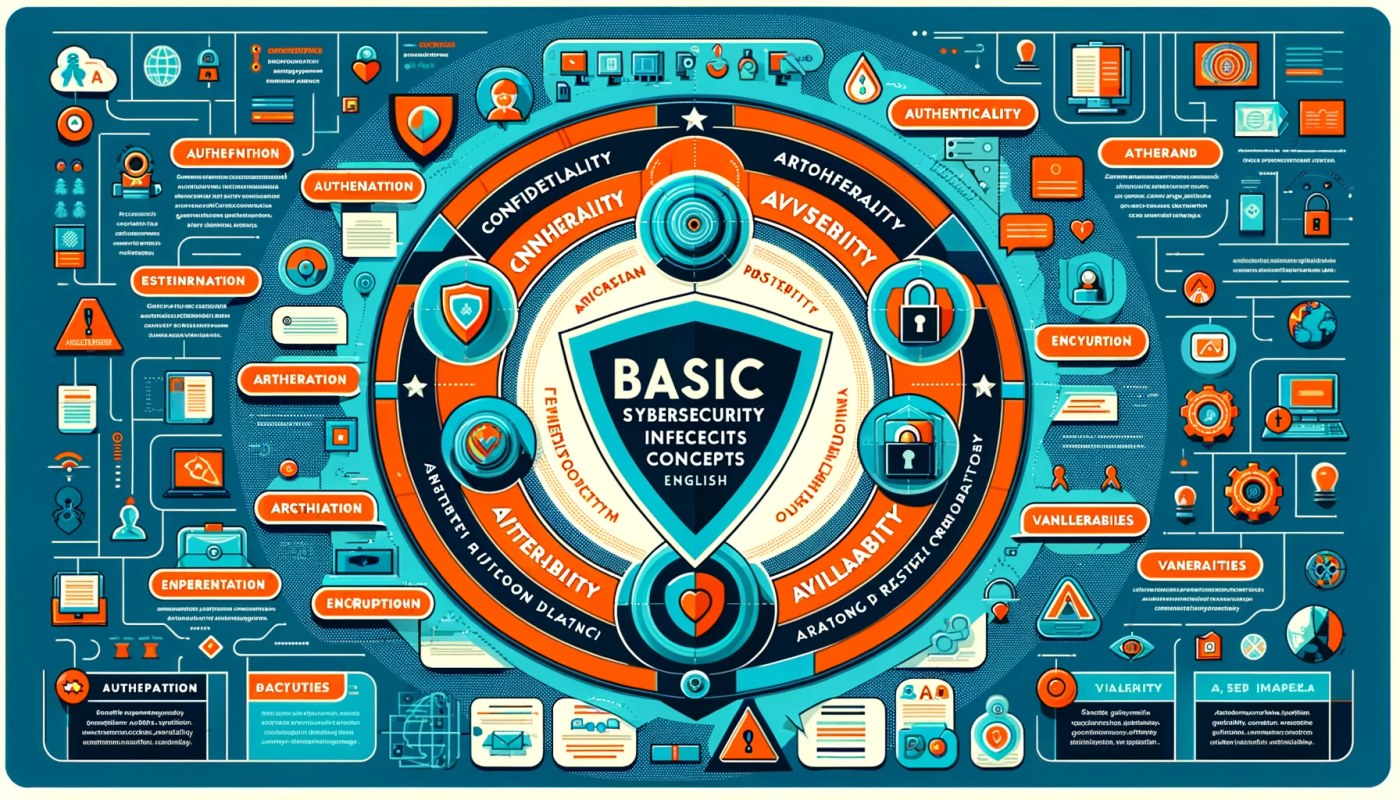
3. Study Basic Security Concepts: Start with the basics of cybersecurity principles, including confidentiality, integrity, and availability (CIA Triad).
- Key Concepts: Authentication, Authorization, Encryption, and Vulnerabilities.
Step2: Gain Formal Education and Certifications
While not always mandatory, formal education and certifications can significantly boost your credibility and knowledge.
1. Formal Education: Consider pursuing a degree in cybersecurity, computer science, or a related field.
- Online Options: University offering online degrees, such as Western Governors University or University of Maryland Global Campus.

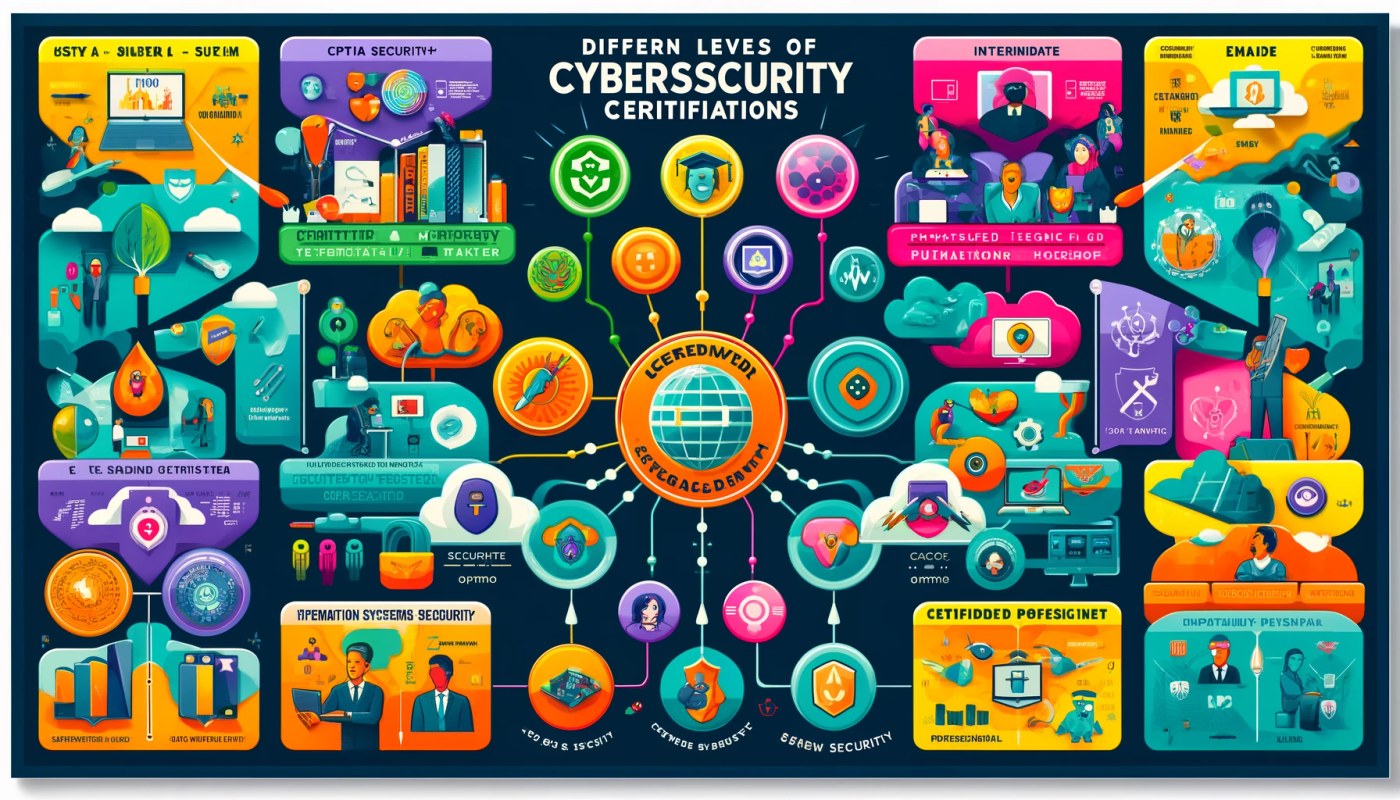
2. Certifications: Industry-recognized certifications can validate your skills and knowledge.
- Entry-Level: CompTIA Security+, Cisco's CCNA Cyber Ops.
- Intermediate: Certified Ethical Hacker (CEH), E-learning Junior Penetration Tester(eJPT), Offensive Security Certified Professional (OSCP).
- Advanced: Certified Information Systems Security Professional (CISSP), Certified Information Security Manager (CISM).
Step 3: Develop Practical Skills
Theoretical knowledge must be completed with practical, hands-on experience.
1. Set Up a Home Lab: Create a home tab to practice your skills safely.
- Tools: VirtualBox or VMware for virtualization, and platforms like Kali Linux for penetration testing.

2. Participate in Capture The Flag (CTF) Competitions:
These competitions simulate real-world hacking scenarios.
- Platforms: Hack The Box, OverTheWire, and TryHackMe.

3. Internships and Entry-Level Positions: Gain real-world experience through internships, apprenticeships, or entry-level jobs.
- Roles: IT Support, Network Administrator, Security Analyst.

Step 4: Specialize in a Specific Area
Cybersecurity is a broad field with numerous specializations. Find an area that interests you and delve deeper.
1. Penetration Testing and Ethical Hacking: Focus on finding and exploiting vulnerabilities.
- Tools: Metasploit, Burp Suite, Wireshark.
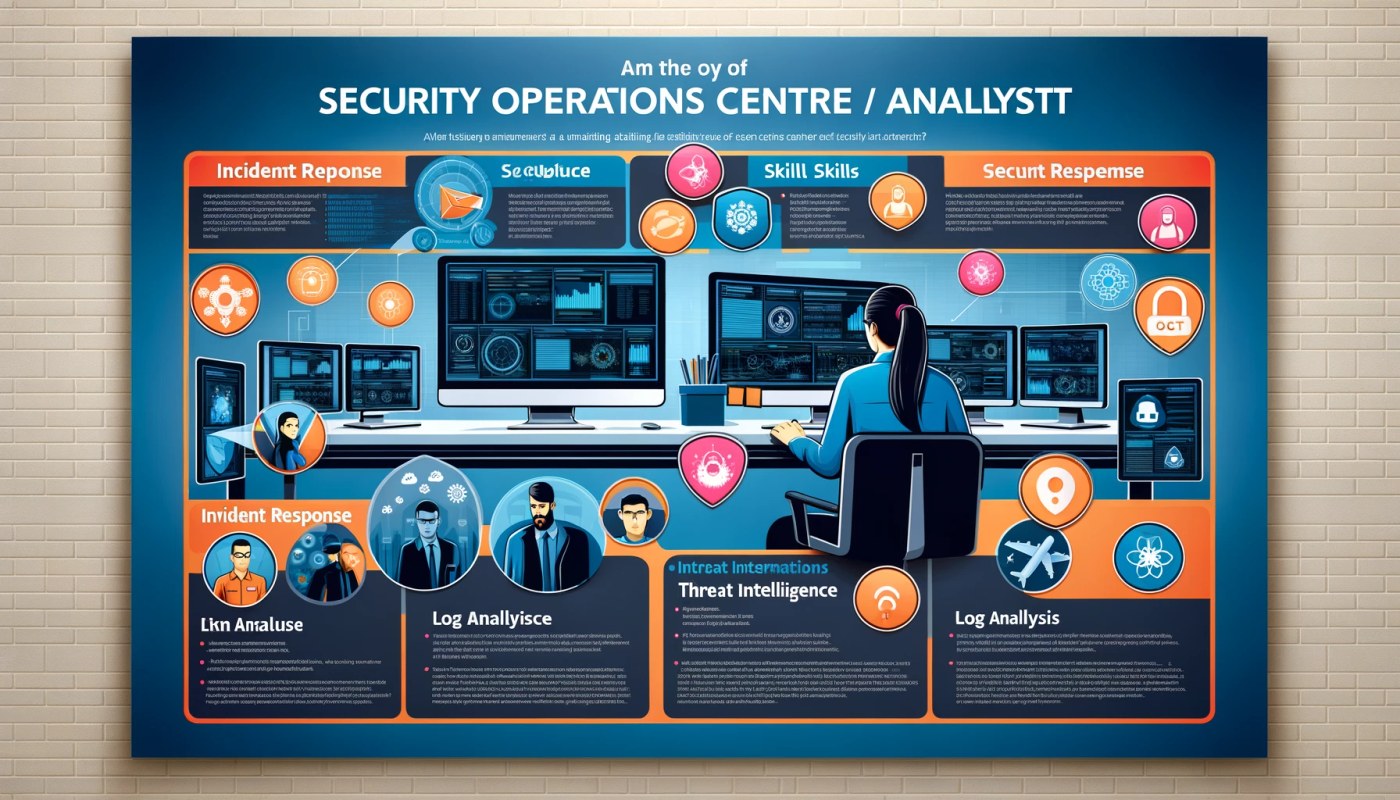
2. Security Operations Centre (SOC) Analyst: Monitor and respond to security incidents.
- Skills: Incident response, threat intelligence, log analysis.
3. Digital Forensics and Incident Response (DFIR):
Investigate and respond to security breaches.
- Tools: EnCase, FTK, SIFT Workstation.

4. Security Architecture: Design secure systems and networks.
- Skills: Risk management, secure coding practices, architectural frameworks.

Step 5: Stay Updated and Continue Learning
The field of cybersecurity is ever-evolving. Continuous learning is vital to stay current with new threads and technoloiges.
1. Follow Industry News: Keep up with the latest cybersecurity news, trends, and branches.
- Resources: Krebs on Security, The Hacker News, Cybersecurity blogs.

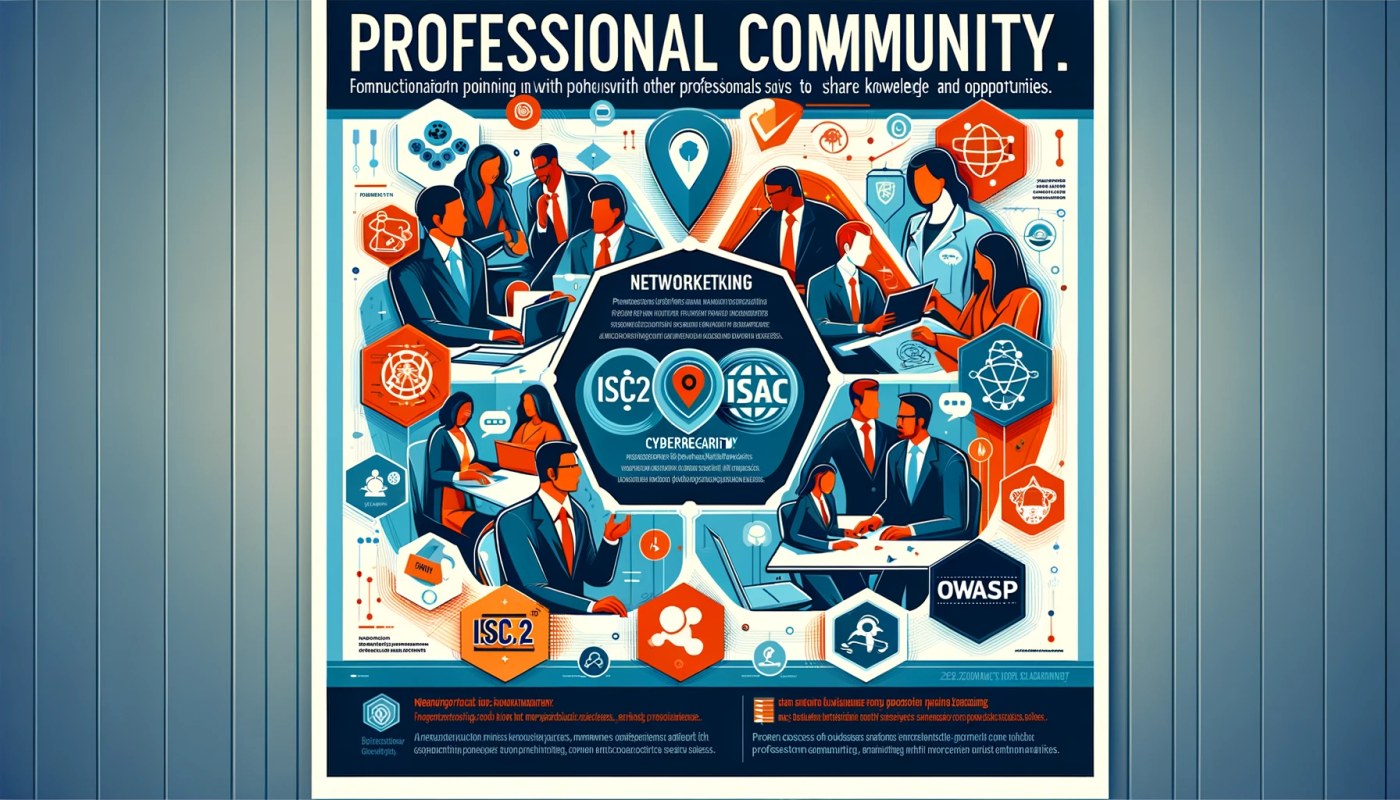
2. Join Professional Communities: Network with other professionals to share knowledge and opportunities.
- Organizations (ISC)2, ISACA, OWASP.
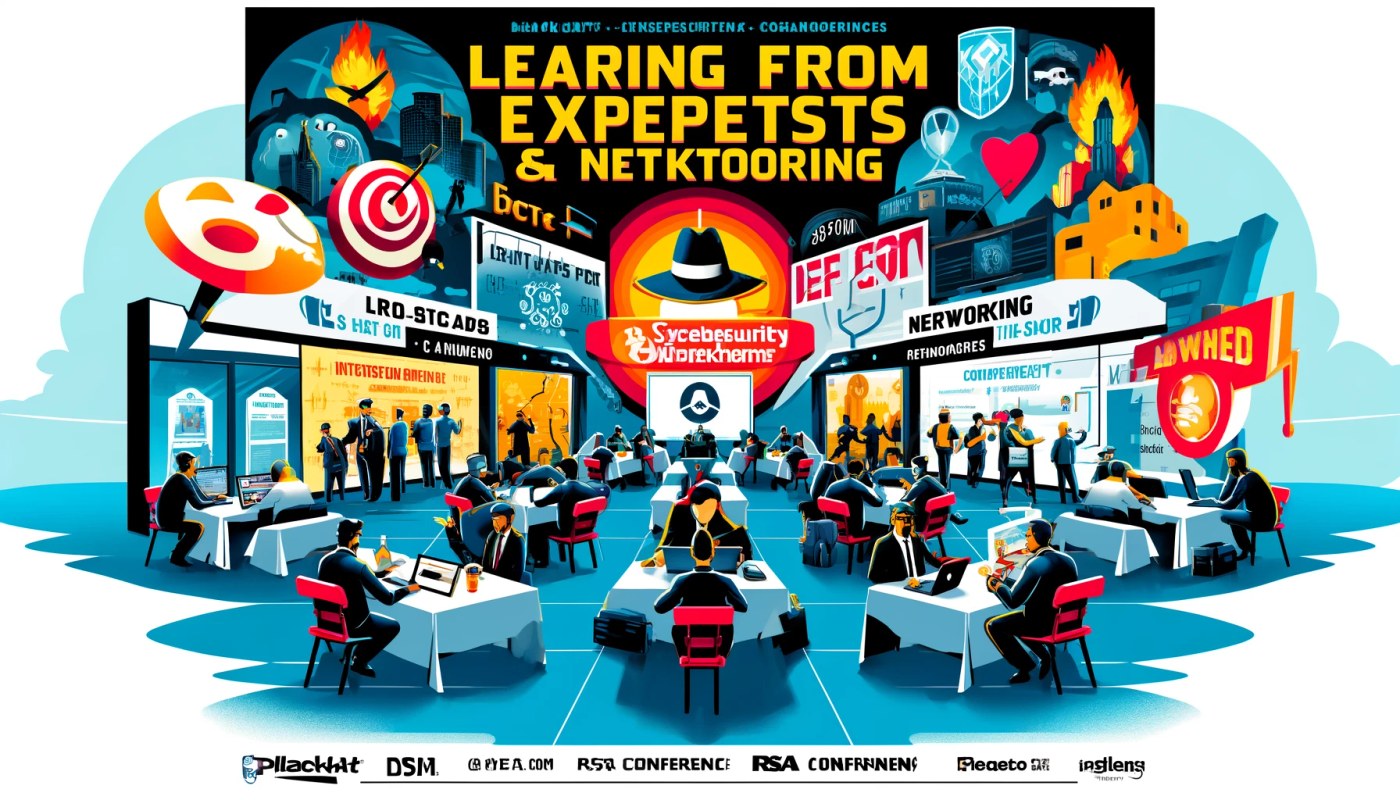
3. Attend Conferences and Workshops: Participate in events to learn from experts and network.
- Notable Conferences: Black Hat, DEF CON, RSA Conference.
Conclusion
Entering the field of cybersecurity requires a blend of formal education, practical experience, continuous learning, and passion. By following this roadmap, you can build a solid foundation, gain the necessary skills, and stay updated with the latest trends and technologies. Whether you aim to be a penetration tester, a SOC analyst, or a cybersecurity architect, the path to a successful career in cybersecurity is challenging but incredibly rewarding.
This roadmap provides a clear and structured approach for anyone looking to break into the cybersecurity field, offering guidance on education, skill development, specialization, and ongoing learning.